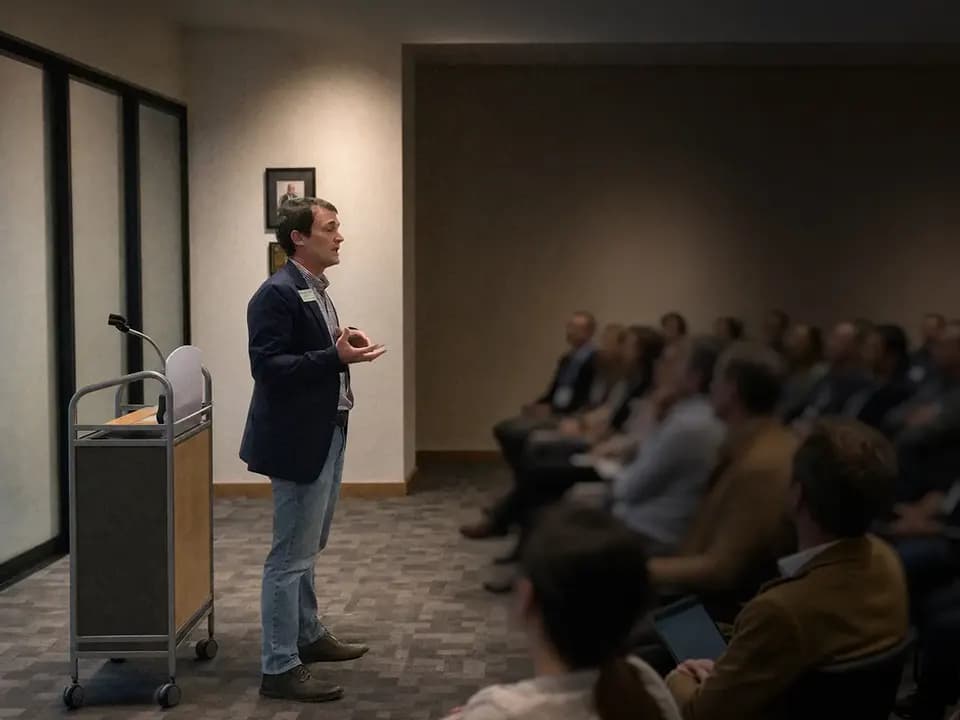
Keynote topic
Practical Leadership Keynote Speaker - George Stern
George Stern is the keynote leadership-summit buyers book when the room is tired of inspirational talks and wants something it can use on Monday. The Jack Welch chemical-engineer scene is the anchor – the work is what makes the leader, not the title on the badge. Audiences leave with a reps-first practical model and a calibration the senior team can run themselves.
Managers do the unglamorous version of the leadership job. The calibration call at 6pm. The debrief you ran when you wanted to leave. The conversation you were tempted to skip. George books for rooms that have heard the inspirational version and want the reps version. He has the reps – firefighter, elected official, Harvard Law magna cum laude graduate, McKinsey alum, now CEO of G&P LLC – and the credential always sits behind the work, not in front of it. The room leaves with a model, not a mood.
Or reach the team directly — GeorgeStern@clash.cc





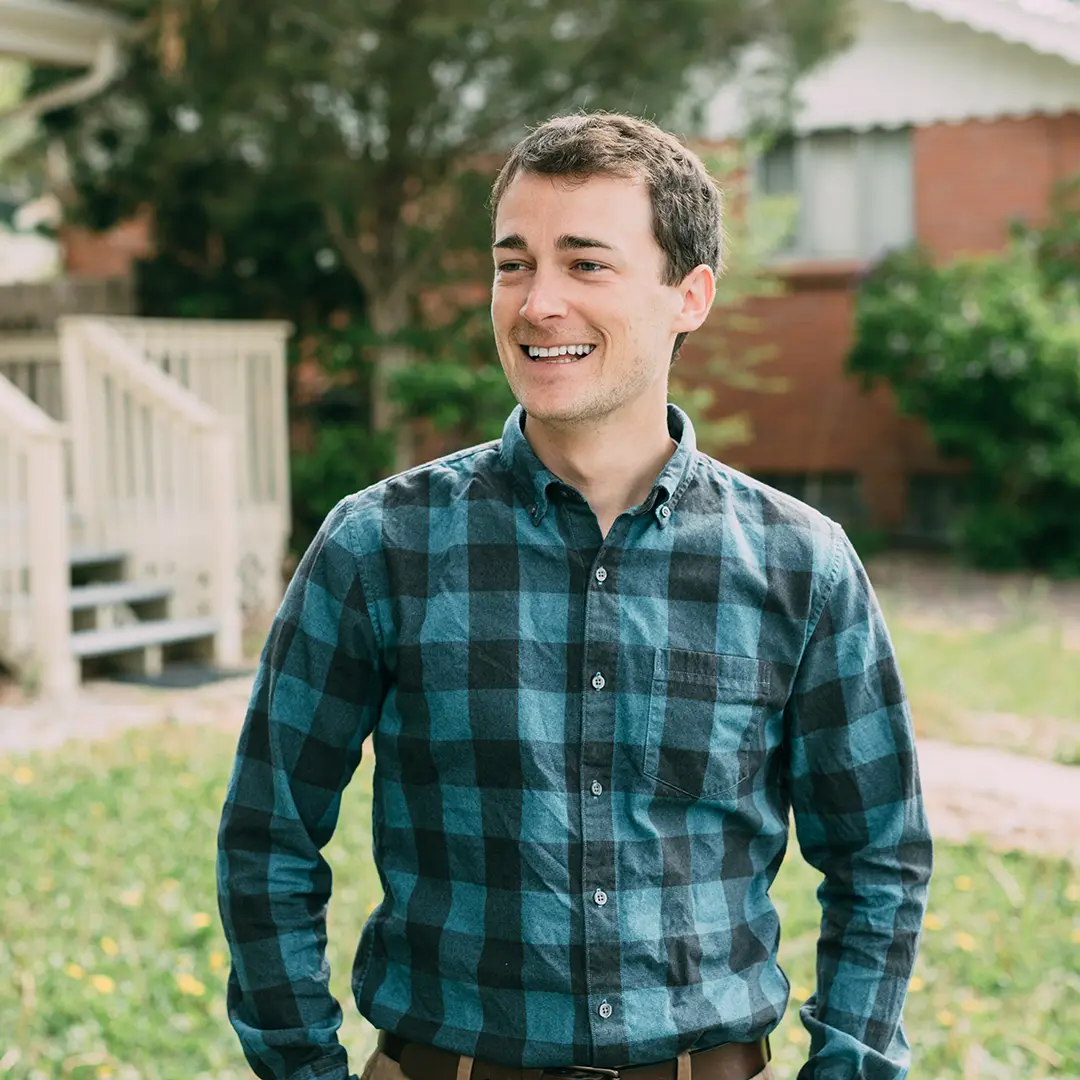
Why the right voice
Why the credential sits behind the reps, not in front of them
George is an active volunteer firefighter at Aspen Fire Protection District. He was the elected Jefferson County (Colorado) Clerk and Recorder running a 115-person agency. He is a Harvard Law magna cum laude graduate, Obama White House Counsel's Office alumnus, and McKinsey alumnus. He is now CEO of G&P LLC, which acquired a mid-seven-figure US digital agency in January 2026. The reason the keynote works is the order of those credentials - firehouse first, elected office second, McKinsey and Harvard behind. The reps came first. The credential followed.
- Harvard Law
- Obama White House
- McKinsey
- Former elected official
“One of the most talked-about moments of the offsite.”Jeff Haars, VP, Amentum (NASA contractor)
On stage
The first five seconds decide the call.
A firehouse story that lands the same in your boardroom. George teaches emotional intelligence as an operating skill — pause, understand what’s actually happening, respond with clarity. Not about being soft; about not letting ego make the next decision.
What the room walks away with
Tools the audience uses the next morning.
The room leaves with a reps-first practical model. Name the call – what is actually being decided, in the language the floor uses. Make the call at 40-70% confidence – timely, not reckless, not paralyzed. Debrief the call – against what you knew at the time, not against the outcome. Senior leaders leave with a way to run their own week that does not require a coach in the room. Managers leave with a single working session they can run with their team on Monday. The whole room leaves with the willingness to do the rep nobody is watching, because that is what actually makes the leader.
- 01
The Jack Welch chemical-engineer scene as the working definition of why reps make the leader.
- 02
Name the call, make the call at 40-70%, debrief the call - the three reps the whole keynote rests on.
- 03
How firehouse cadence, McKinsey rigor, and elected-office accountability combine into one practical model.
- 04
A single working session managers can run with their team on Monday.
- 05
Why the credential follows the reps - and what stops happening in a team when the leader believes that.
The contrarian bit
Why ' practical ' is the most over-promised word in leadership
Five habits. Three principles. Seven things great leaders do. The slides are clean, the room nods, and Monday feels exactly like last Monday. Practical in most keynotes means acceptable to senior leaders, not usable by the front line. The two are not the same.
George opens with the Jack Welch chemical-engineer scene – the early-career moment that anchors his argument that the work is what makes the leader, not the title on the badge. He pairs it with the firehouse cadence, the McKinsey rigor, and the elected-office accountability. The result is a reps-first model: name the call, make the call at 40-70%, debrief the call. Not five habits. Three reps.
In the week after the keynote, the manager does the reps. They name the call before they make it. They make it without waiting for 95% confidence. They debrief it without it turning into a values workshop. The team starts using the same vocabulary the manager uses. The summit stops being a thing that happened in a hotel and becomes a thing the manager carries back into the work.
Questions
Practical Leadership — booking George.
Yes. George reads the brief with the buyer – population, level, what the audience has heard recently – and adjusts the anchor scenes and reps. A leadership summit gets a different cut to a manager-development cohort or an executive offsite.
Still deciding? Talk it through with the team.
Other topics George speaks on
- Generational Leadership Keynote Speaker - George Stern
- Leading Under Pressure Keynote Speaker - George Stern
- Firefighter Leadership Keynote Speaker - George Stern
- Change Management Keynote Speaker - George Stern
- Government Leadership Keynote Speaker - George Stern
- Frontline Leadership Keynote Speaker - George Stern
Booking
Bring this keynote to your team.
In-person, US · virtual & workshop formats on request · the team replies within 24 hours.
Back to George’s full profile“One of the most talked-about moments of the offsite.”— Jeff Haars, VP, Amentum (NASA contractor)
Represented by Clash Creation · clash.cc