Keynote topic
Generational Leadership Keynote Speaker - George Stern
George Stern is the keynote HR and people-leadership buyers book when they want generational leadership treated as a calibration problem, not a stereotype problem. The 2am highway lieutenant exchange – "Fair enough. Go to the next exit." – is the anchor. Audiences leave with usable language for pushback that keeps the chain of command intact and the work moving.
Most generational talks flatten five generations into a slide of clip-art and call it strategy. George's version treats the difference as data. He is a volunteer firefighter who has taken orders from officers two generations older and given pushback that the officer adjusted on. He is also a former elected official who ran a 115-person Jefferson County agency where every shift had a Boomer, a Gen Xer, a Millennial and a Gen Z working the same counter. The room books him because he can describe what generational leadership actually feels like in the field, in language a Monday operating meeting can use.
Or reach the team directly — GeorgeStern@clash.cc






Why the right voice
Why a working firefighter and former elected official, and not another generational trends deck
George is an active volunteer firefighter at Aspen Fire Protection District, and was elected Jefferson County (Colorado) Clerk and Recorder where he ran a 115-person agency through a presidential election cycle. He is a Harvard Law magna cum laude graduate, Obama White House Counsel's Office alumnus, McKinsey alumnus, and now CEO of G&P LLC. He has spent the last decade managing across four generations in environments - firehouse, elections office, agency leadership - where stereotypes do not survive a single shift.
- Harvard Law
- Obama White House
- McKinsey
- Former elected official
“One of the most talked-about moments of the offsite.”Jeff Haars, VP, Amentum (NASA contractor)
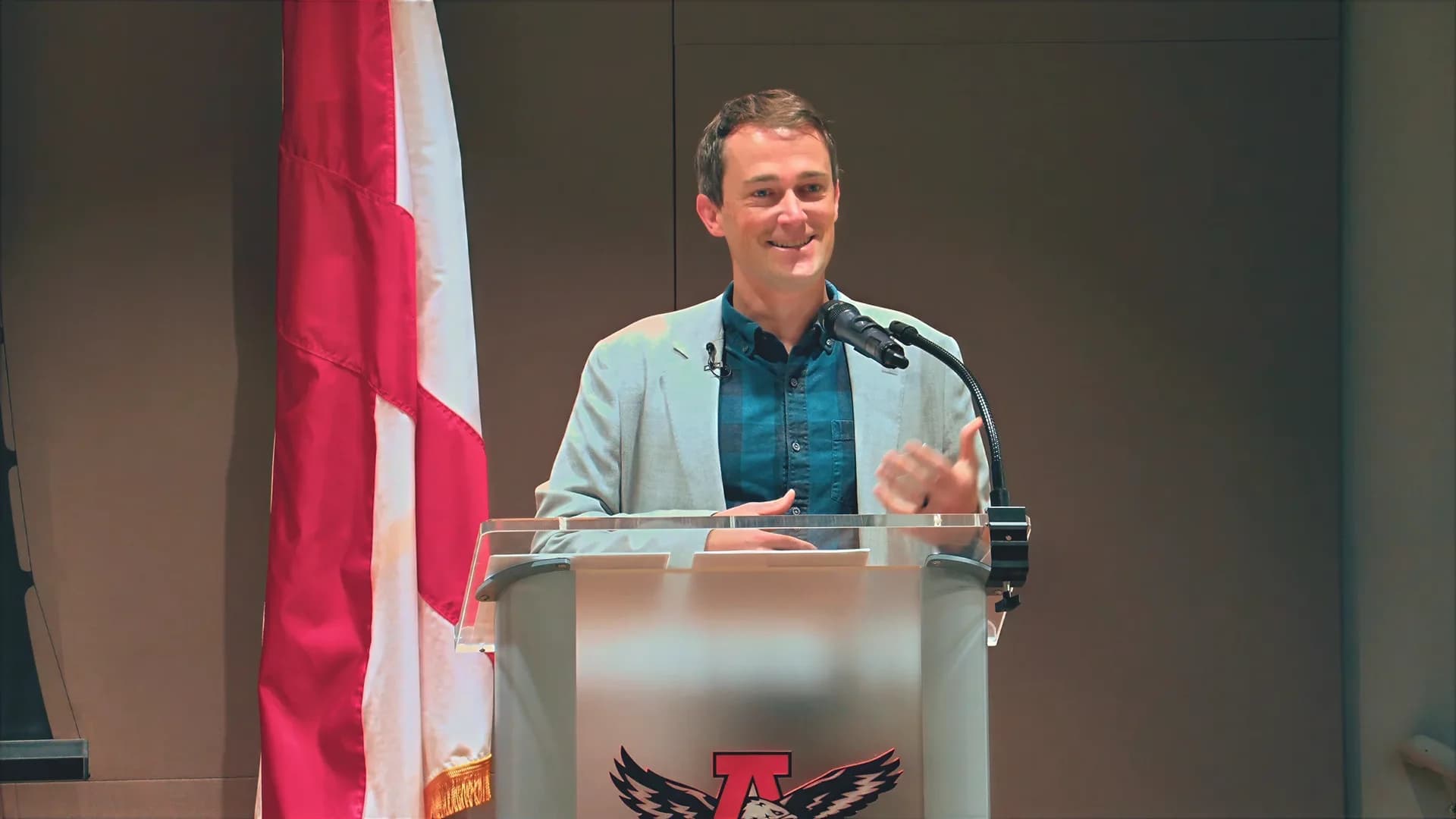
On stage
The first five seconds decide the call.
A firehouse story that lands the same in your boardroom. George teaches emotional intelligence as an operating skill — pause, understand what’s actually happening, respond with clarity. Not about being soft; about not letting ego make the next decision.
What the room walks away with
Tools the audience uses the next morning.
The room leaves with three calibrations. Senior leaders learn how to take younger pushback as data without losing rank – the lieutenant on the highway did not lose authority, he gained it. Junior leaders learn how to deliver pushback without ego – tone, timing, evidence, no theatrics. The whole room gets a shared vocabulary for the moment a generational disagreement is actually a calibration disagreement underneath, and a debrief format that lets the team name the call after the shift without it turning into a values workshop.
- 01
The 2am highway exchange as the working definition of generational leadership in the field.
- 02
How senior leaders can absorb younger pushback as data without losing rank.
- 03
How junior leaders can deliver pushback without ego - tone, timing, evidence, no theatrics.
- 04
A calibration vocabulary the team can use on Monday in place of stereotype shorthand.
- 05
A debrief format that names the call, not the generation, after a hard shift.
The contrarian bit
Why most generational leadership keynotes flatten the room
Boomers like email, Gen Z likes Slack, Millennials want purpose, Gen X just wants you to leave them alone. The room laughs. Nothing transfers to the manager who has to chair a meeting on Monday with three of those generations in the same room.
George opens at 2am on a Colorado highway. He was a junior firefighter. The lieutenant gave the call. George pushed back. The lieutenant said, "Fair enough. Go to the next exit." The lieutenant held rank, adjusted the call, and nobody in the truck performed anything – that is the scene, and that is the working definition of generational leadership. From it, George teaches senior leaders how to take younger pushback as data without losing authority.
By the next operating meeting, senior leaders stop reading pushback as insubordination. Junior leaders stop framing concerns as identity. The team adopts a debrief format that names the call rather than the generation. The room stops talking about "working with Gen Z" and starts running better operating meetings.
Questions
Leading Across Generations — booking George.
Yes. George reads the brief with the buyer – workforce mix, recent friction, what "pushback" looks like in your culture right now – and adjusts the anchor scenes and Monday moves. An HR offsite gets a different cut to a manager-development cohort or a frontline leadership programme.
Still deciding? Talk it through with the team.
Other topics George speaks on
- Leading Under Pressure Keynote Speaker - George Stern
- Firefighter Leadership Keynote Speaker - George Stern
- Change Management Keynote Speaker - George Stern
- Government Leadership Keynote Speaker - George Stern
- Practical Leadership Keynote Speaker - George Stern
- Frontline Leadership Keynote Speaker - George Stern
Booking
Bring this keynote to your team.
In-person, US · virtual & workshop formats on request · the team replies within 24 hours.
Back to George’s full profile“One of the most talked-about moments of the offsite.”— Jeff Haars, VP, Amentum (NASA contractor)
Represented by Clash Creation · clash.cc